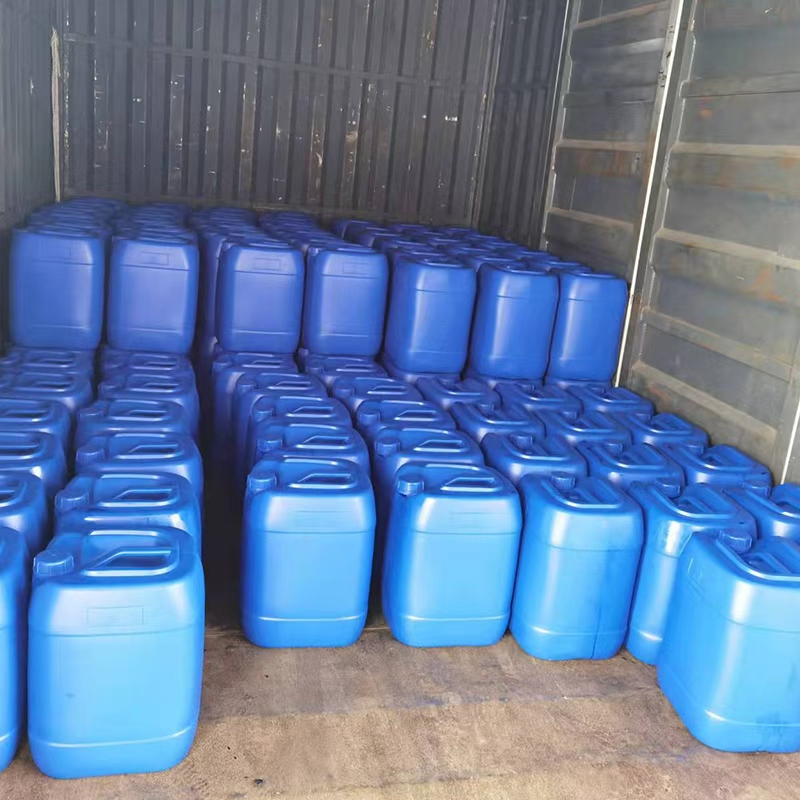
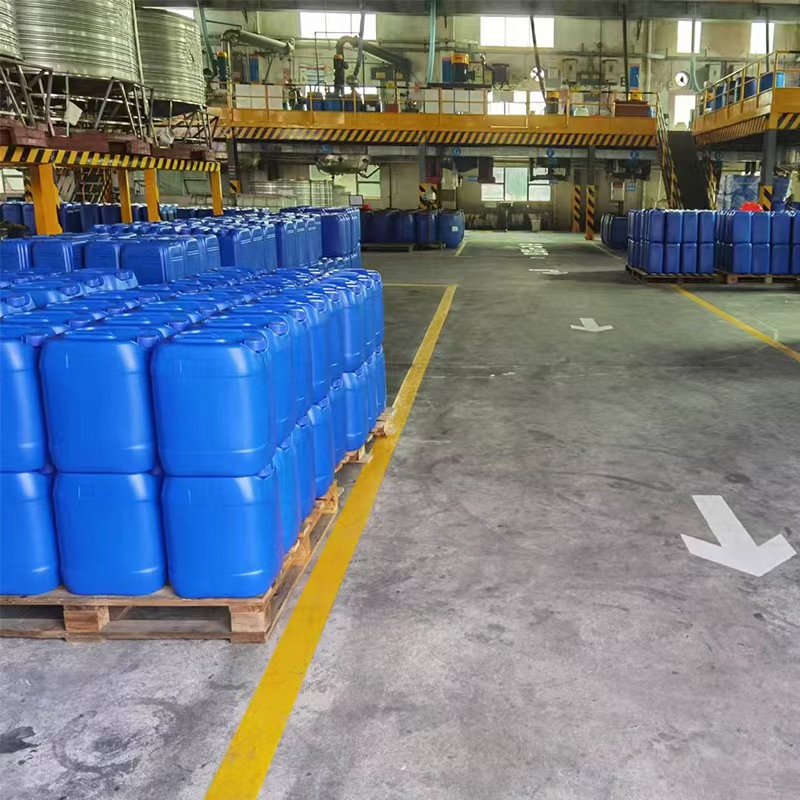
Coconutt Diethanol Amide /COCAMIDE DIETHANOLAMINE
Cocamide Diethanolamine (CDEA) is an important nonionic surfactant widely used in personal care, industrial cleaning, and textile printing and dyeing. The following is a detailed analysis of its chemical properties, applications, market status, safety, and development trends:
Chemical Properties and Preparation
1. Chemical Structure
CDEA is produced by the reaction of fatty acids (such as lauric acid) in coconut oil with diethanolamine (DEA). Its molecular formula is RCON(CH₂CH₂OH)₂ (R represents the coconut oil group). Its active ingredient is primarily an amide-linked diethanolamine derivative, which exhibits excellent surface activity.
2. Physical Properties
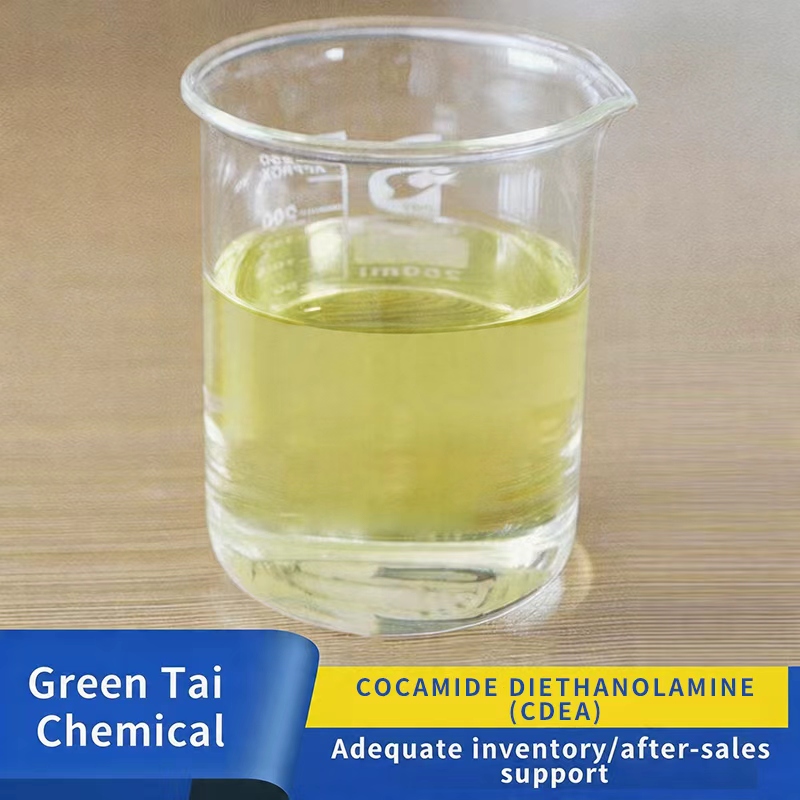
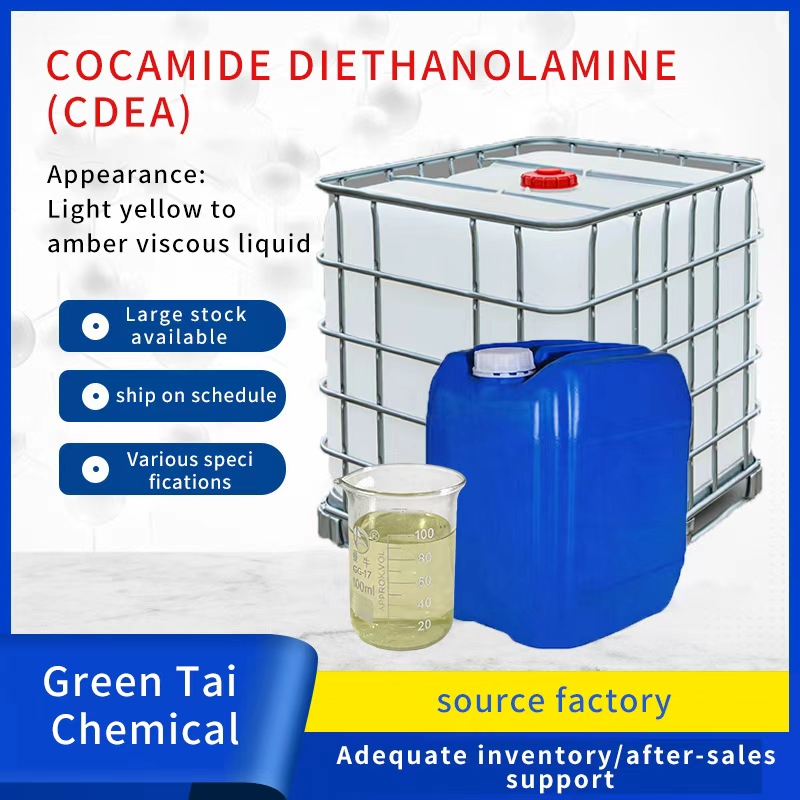
*Appearance: Pale yellow to amber viscous liquid with a slight coconut odor.
*Solubility: Easily soluble in water, forming an opaque, misty solution that becomes completely transparent upon stirring.
*Stability: Resistant to hard water, acids, and alkalis, CDEA exhibits good compatibility with anionic, cationic, and amphoteric surfactants.
3. Preparation Process
*One-step method: Direct reaction of fatty acids with excess diethanolamine (molar ratio of 1:2 or 1:1.5). This method is low-cost and produces a dark-colored product with an active ingredient content of approximately 70%.
*Two-step method (methyl ester method): Coconut oil is first transesterified to produce methyl laurate, which is then reacted with diethanolamine. The product is light-colored, has an active ingredient content of ≥85%, and is highly competitive internationally.
CDEA TDS:
CDEA Scope of Application:
1. Personal Care Products
*Shampoo/Body Wash: Serves as a foam booster and stabilizer, enhancing foam richness and durability.
*Hand Soap/Facial Cleanser: Enhances cleaning power while imparting a silky feel.
*Lotion/Cream: Serves as an emulsifier, stabilizing oil-water systems and improving product texture.
*Market Share: Personal care accounts for approximately 40% of global demand.
2. Industrial Cleaners
*Metal Cleaners: Removes oil and rust while preventing metal corrosion.
*Paint Strippers: Effectively dissolves old coatings, facilitating refinishing.
*Textile Printing and Dyeing Auxiliaries: Serves as a thickener and emulsifier, improving dye uniformity.
3. Other Industries
*Agriculture: Used for pesticide emulsification, improving drug penetration.
*Electroplating: Serves as a rust inhibitor, protecting metal surfaces.
*Shoe Polish/Printing Ink: Improves product leveling and gloss.