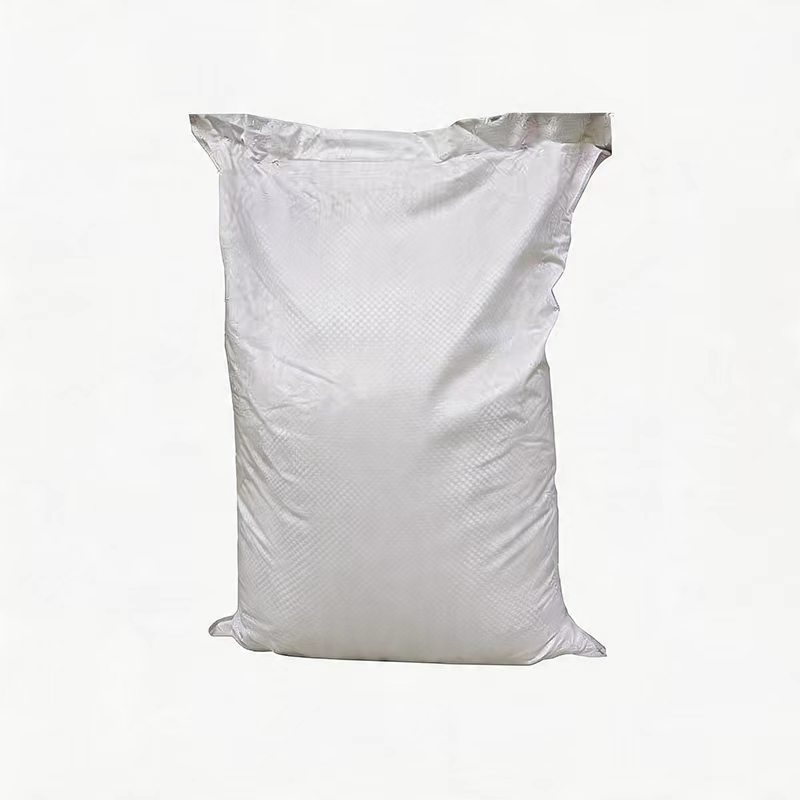
SODIUM DICHLOROISOCYANURATE 56% 8-30 MESH GRANULAR
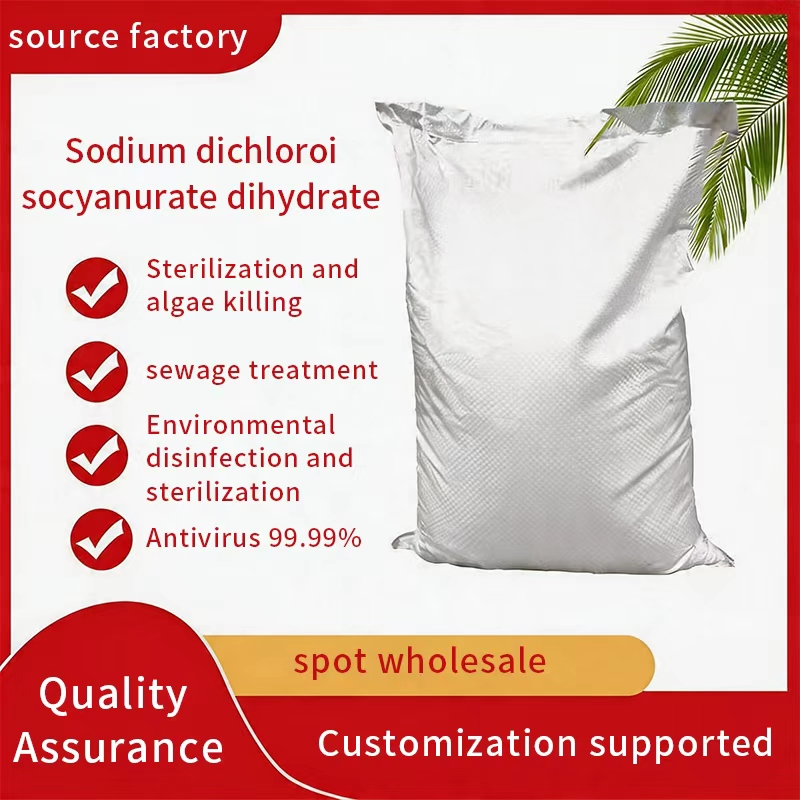
Sodium dichloroisocyanurate (SDIC, CAS 2893-78-9) is a highly effective, low-toxic chlorine-containing disinfectant. 56% SDIC products are available in granules or tablets and are widely used in drinking water disinfection, industrial water treatment, public health, and food processing. The following is an analysis of its core properties and applications:
Chemical Properties
1. Chemical Composition:
SDIC is the sodium salt of chlorohydroxytriazine, produced by the reaction of cyanuric acid and chlorine gas. Its molecular formula is C₃Cl₂N₃NaO₃, and its molecular weight is 219.95. 56% SDIC products are typically dihydrates (C₃Cl₂N₃NaO₃·2H₂O), containing approximately 56%-60% available chlorine.
2. Physical Properties:
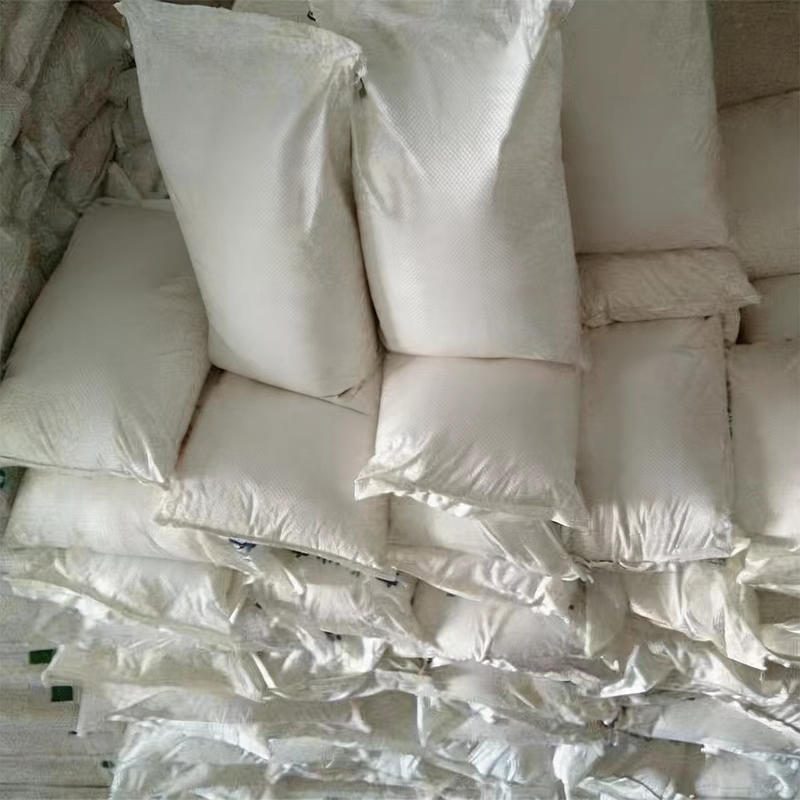
-Appearance: White crystalline powder or granules, odorless or with a slight chlorine odor.
-Solubility: Water solubility is approximately 30g/100mL at 25°C. It dissolves readily in water to form chlorine-containing solutions. -Stability: Stable in dry state, may decompose when exposed to moisture or high temperature, releasing chlorine gas.
Product Parameters
Scope of Application
1. Disinfection and Sterilization:
*Mechanism: Releases free chlorine (HOCl, OCl⁻) to disrupt microbial cell membranes, killing bacteria, viruses, fungi, and algae.
*Efficiency: Compared to sodium hypochlorite (bleach), SDIC has a higher available chlorine content and greater stability, remaining active in hard water.
*Applications:
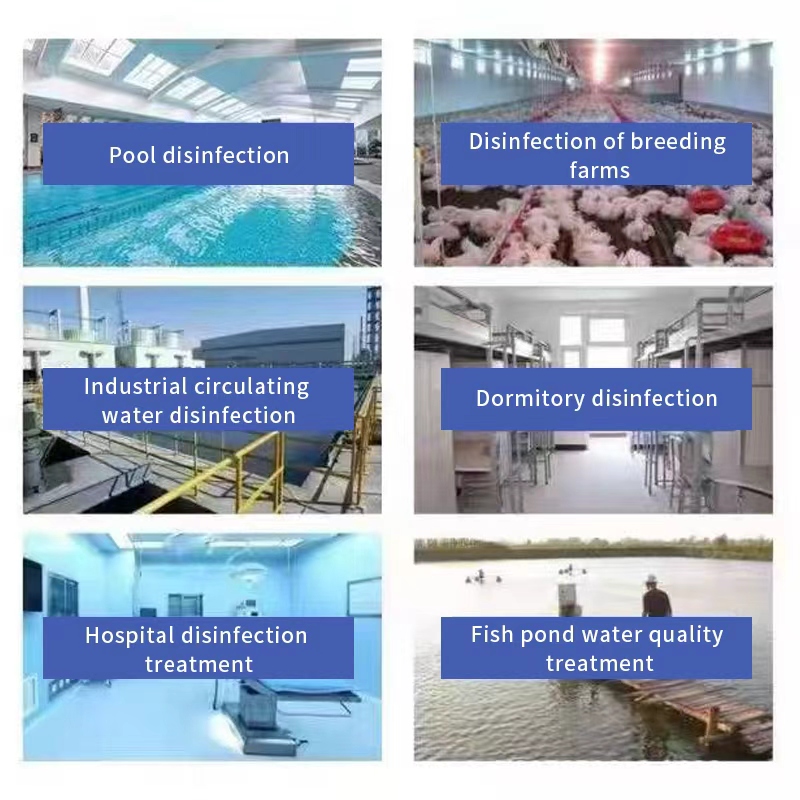
-Drinking Water Disinfection: Treats drinking water in homes and the wild, effectively preventing waterborne diseases such as cholera and dysentery.
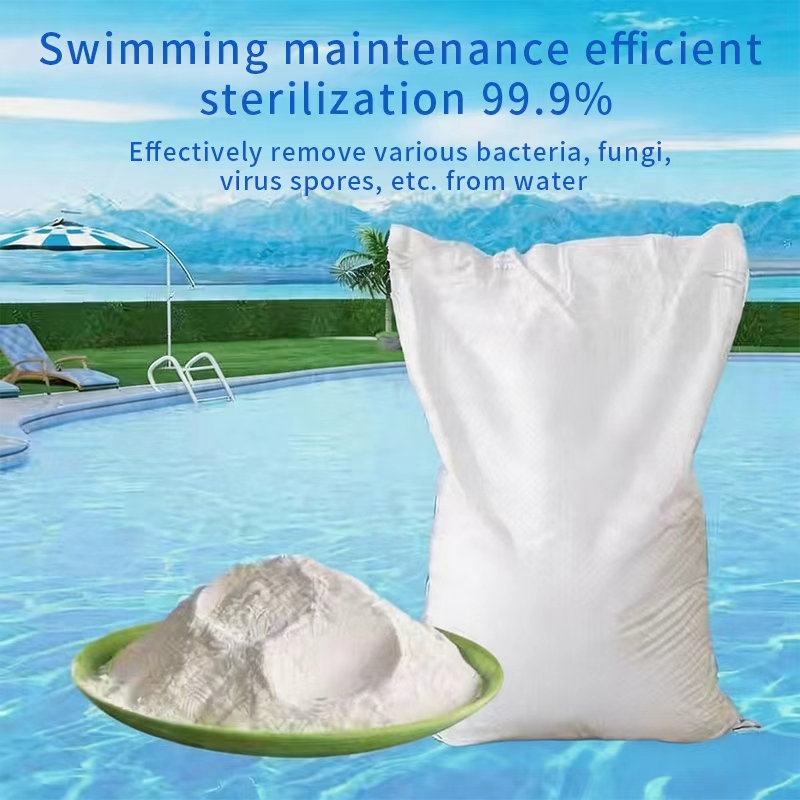
-Swimming Pool Water Treatment: Replaces traditional chlorine tablets, reducing chlorine odor and skin irritation.
-Public Health: Disinfects surfaces in hospitals, schools, and public transportation.
2. Industrial Water Treatment:
*Circulating Cooling Water: Inhibits algae growth, prevents biosludge deposition, and extends equipment life.
*Wastewater Treatment: Acts as an oxidant to degrade organic matter and disinfects effluent water.
3. Food Processing:
*Raw Material Disinfection: Used to sterilize the surfaces of vegetables, fruits, and meat, extending shelf life.
*Equipment Cleaning: Disinfects food packaging materials and production lines in compliance with HACCP standards.