
Standard Operating Procedure (SOP) for Vacuum-Pressure Treatment of Rubberwood (Anti-Fungal & Anti-Corrosion)

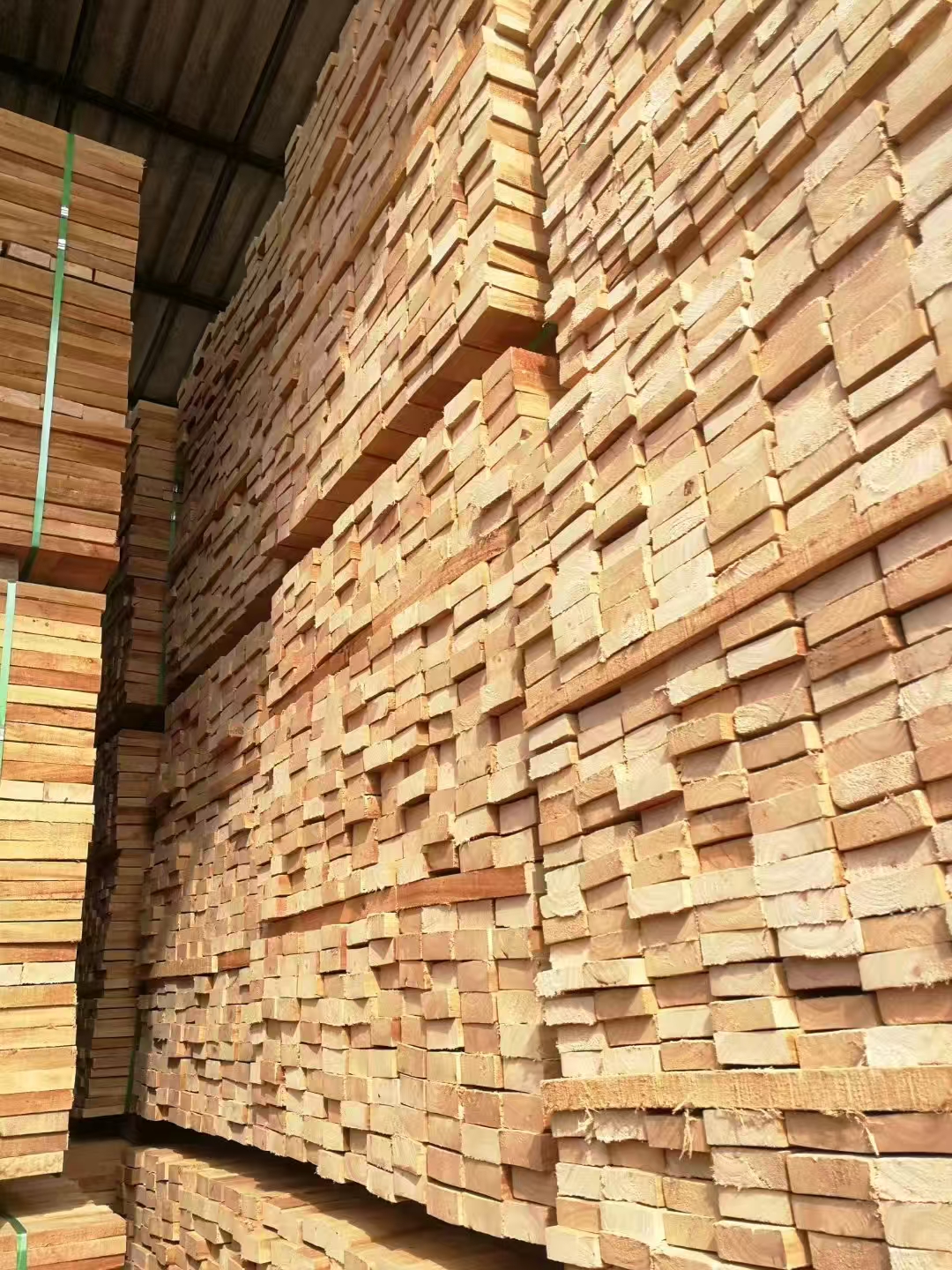
Foreword Rubberwood (Hevea brasiliensis) is highly susceptible to blue stain, mold, and insect infestation due to its high sugar and starch content. This SOP utilizes the Vacuum-Pressure Impregnation method, combining the potent sterilization of Lutai Anti-Fungal Agent with the long-lasting preservative properties of Boron compounds and the aesthetic enhancement of Bleaching agents. This process ensures deep chemical penetration, significantly improving the wood’s durability and commercial value. 1. Chemical Solution Preparation In a mixing tank, add the chemicals in the following order while continuously stirring to prepare an aqueous solution: 2. Loading & Sealing 3. Initial Vacuum Phase 4. Filling (Under Negative
Standard Operating Procedure (SOP): CCA Vacuum-Pressure Impregnation for Eucalyptus Poles

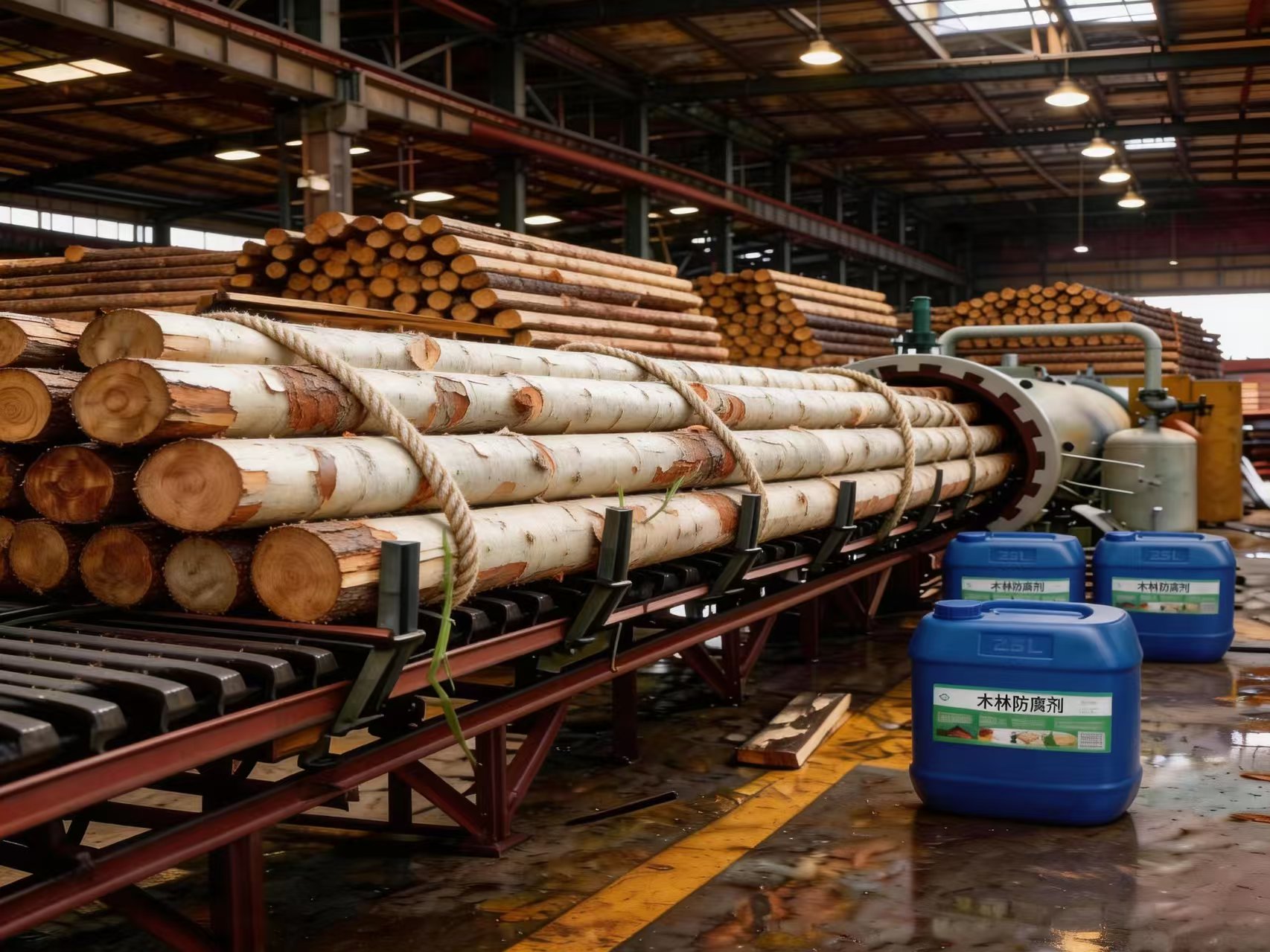
Scope: This procedure defines the specialized preservation process for Eucalyptus poles (utility poles/posts) using Chromated Copper Arsenate (CCA) to achieve C4/C5 durability levels (ground/water contact). 1.Pre-treatment & Preparation Eucalyptus is a refractory (hard-to-treat) species. Pre-treatment is mandatory to ensure chemical penetration. 2. Preservative Specification 3. The Impregnation Process (Full-Cell / Bethell Process) Phase I: High Initial Vacuum Phase II: Filling under Vacuum Phase III: High-Pressure Impregnation Phase IV: Pressure Release & Emptying Phase V: Final Vacuum 4. Fixation & Post-Treatment Conditioning 5. Quality Control (QC) Standards 6. Safety & Environmental Protection

What wood should use preservatives and when not to use them

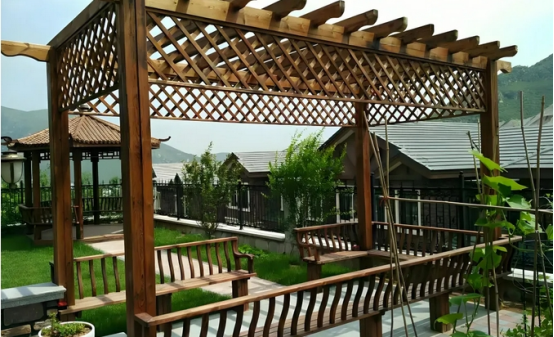
Anticorrosive wood is not suitable for use in all situations: Anticorrosive wood is not suitable for use in all situations. Therefore, first of all, it is necessary to clarify what the wood is used for, such as furniture, floors, trails, fences, wooden bridges, and house structures, especially whether it is in contact with food and feed, and then it can be judged whether anticorrosive wood should be used. For example, if you want to make or buy a Ming-style wooden bed for the bedroom, there is no need to use anticorrosive wood, unless it is wood that is particularly prone to

Do you know these five ways to prevent wood from cracking?

Solutions to wood cracking: The method to reduce wood internal cracking can be high temperature qualitative treatment. The residual deformation of the wood surface that produces internal cracking can be eliminated by high temperature and high humidity treatment of the wood before the end of the drying process. During the treatment, the surface of the wood expands due to humidification and produces residual deformation of compression, which offsets the original residual deformation of tension, and the internal cracking of the wood is eliminated. Tie the ends of the dried wood with wire, use anti-crack rings, combined nail boards, etc., and use

Application advantages of antiseptic wood

Anticorrosion treatment will more or less affect the mechanical properties of wood, resulting in loss of wood strength. However, this effect is related to a series of factors, including wood decay, size, pretreatment before anticorrosion (especially wood moisture content), anticorrosion treatment process (pressure, temperature, time, etc.), post-treatment of wood, secondary drying, whether the anticorrosive wood needs to be reprocessed, and the use environment. Usually, when anticorrosive wood is used as a load-bearing structural material, the strength value of the original wood should be adjusted to reduce 0~10%. When anticorrosive wood is used as a non-load-bearing structural material, the strength of the

Wood wax oil protective treatment

[Product name] Water-based hard wood wax oil[Instructions]Before use, stir thoroughly and evenly. If the viscosity is high, add water to dilute it appropriately and stir thoroughly. According to the actual needs of the product and the process requirements, 0-20% water can be added to dilute it. Recoating time-the interval between each recoating should not be less than 2-4 hours. Because this product is purely water-based, it is strictly forbidden to mix with other coatings and organic solvents during operation. The tools used should be rinsed with water immediately after construction to prevent them from drying and scrapping. Because this product is

Scroll to Top