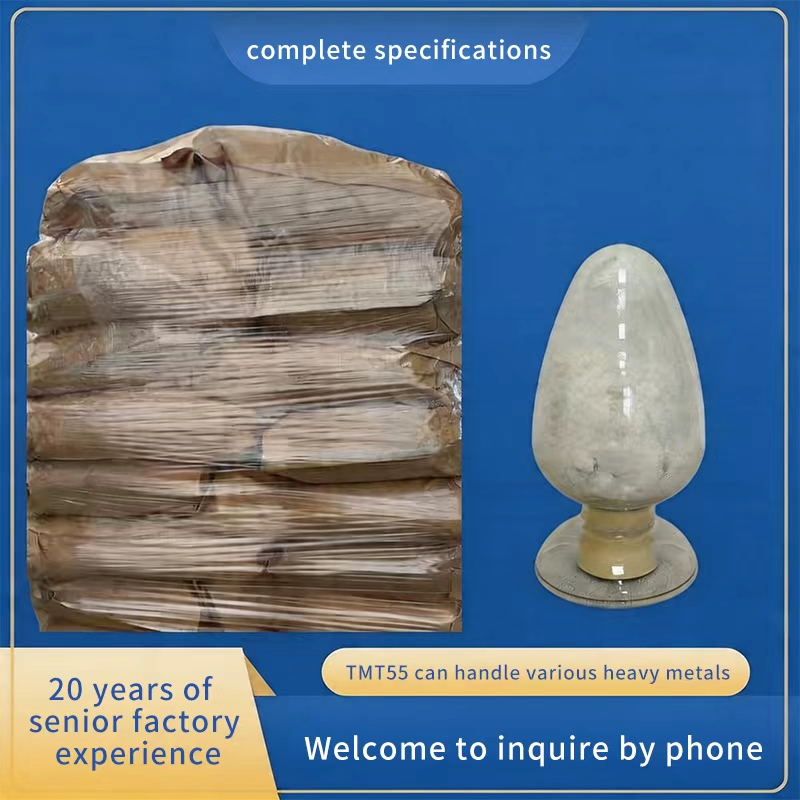
Tmt 15% and 55% Precipitator for Heavy Metals 17766-26-6
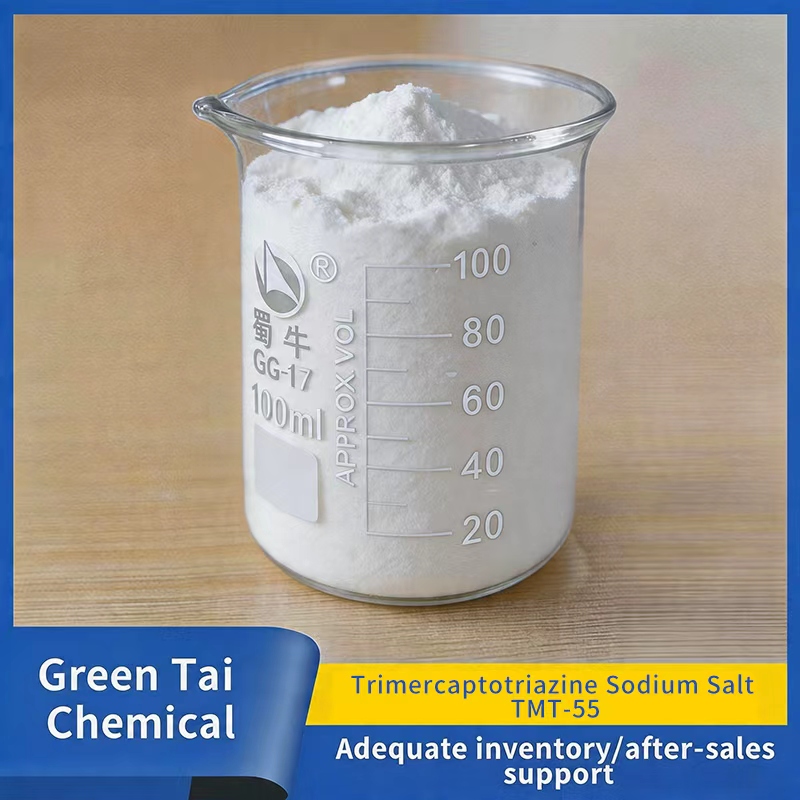
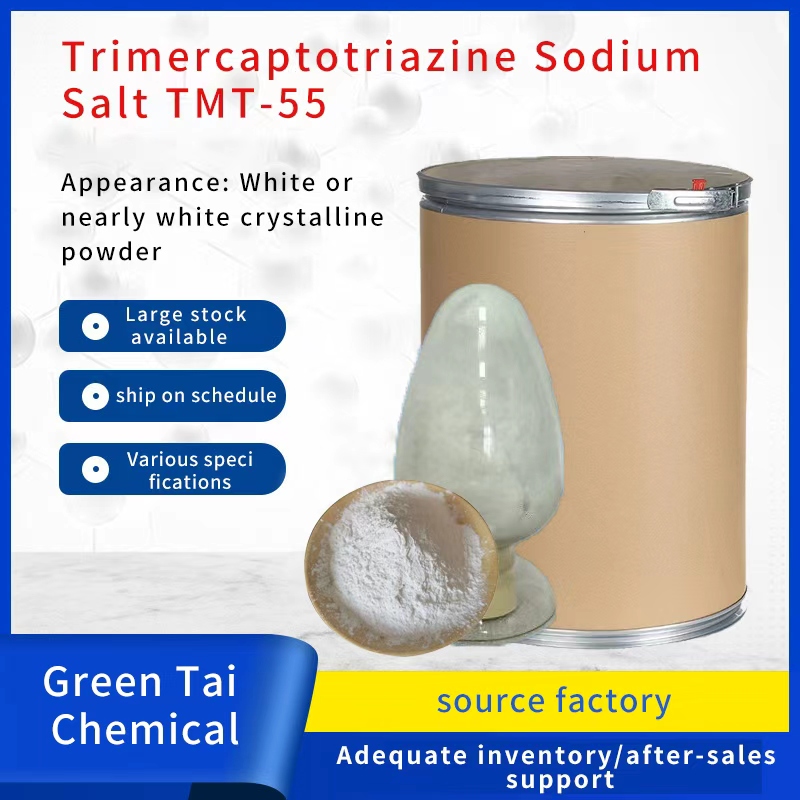
Trimercaptotriazine Sodium Salt (trimercaptotriazine trisodium salt, TMT) is a highly efficient heavy metal remover. Its core information and analysis are as follows:
Chemical Properties
Chemical formula: C3H4N3NaS3
CAS: 17766-26-6
Structure: A triazine ring containing three thiol groups (-SH) combined with three sodium ions to form a stable water-soluble salt.
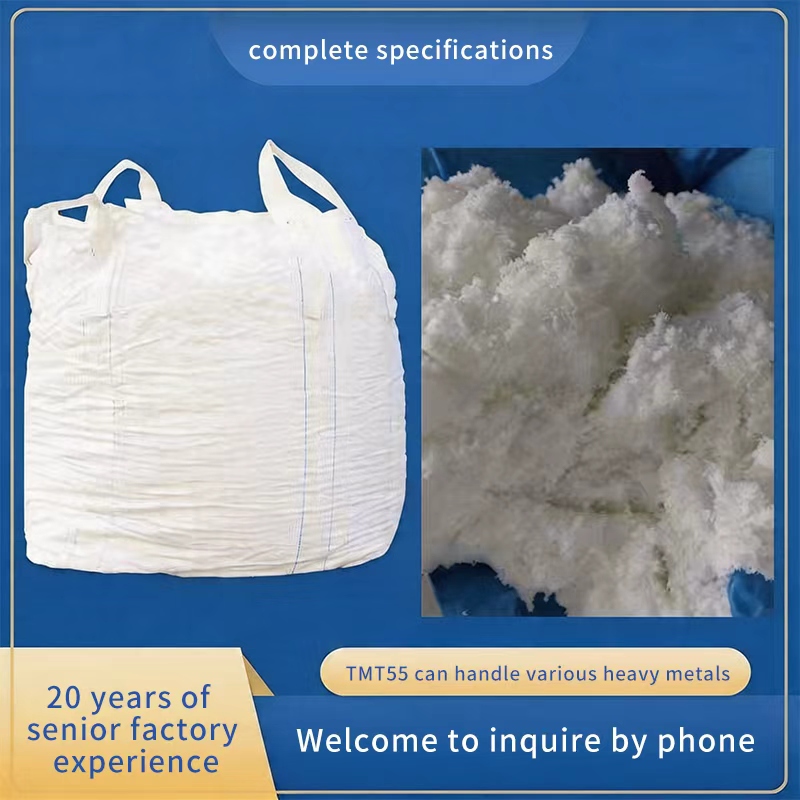
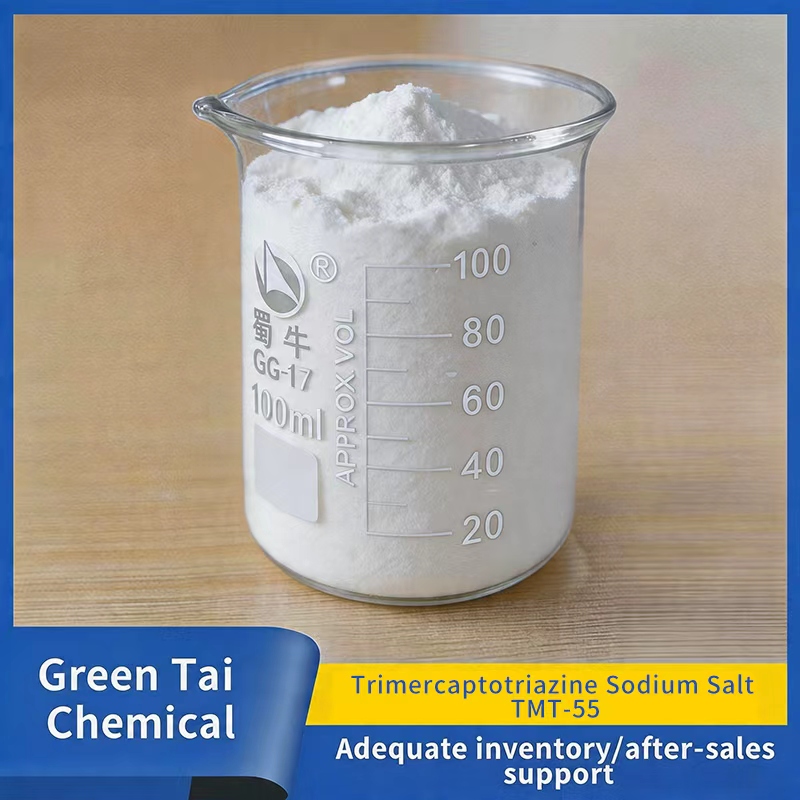
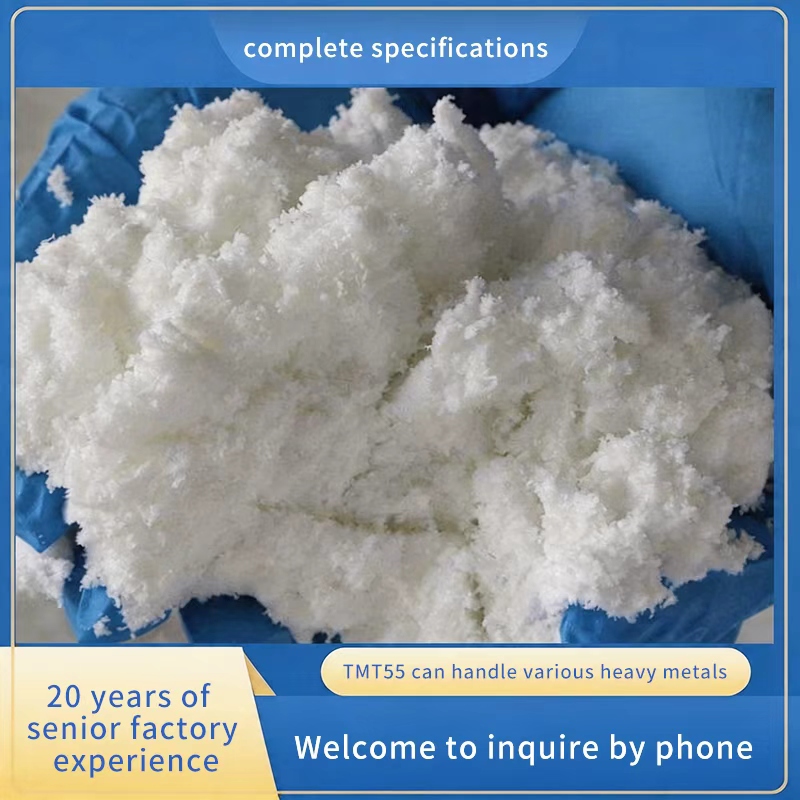
Appearance: White crystalline solid or colorless/light yellow liquid (solution form).
Solubility: Easily soluble in water, the solution pH is about 12.0-13.0, and it is strongly alkaline.
Density: About 1.12 g/cm³ (below 20°C).
Stability: It needs to be sealed and stored at room temperature to avoid contact with oxidants and acids to prevent decomposition.
TMT Specifications
Scope of Application
1. Mechanism of action
TMT forms an extremely insoluble stable chelate with heavy metal ions through thiol groups, thereby efficiently removing heavy metals from wastewater.
2. Comparison of advantages
* High efficiency: Heavy metals can be quickly precipitated even at low doses (such as 15% solution or 55% crystals).
* Broad spectrum: It can treat monovalent and divalent metal ions, including complexed heavy metals (such as EDTA-Cu).
* Safety: The toxicity is lower than that of traditional reagents, and the sediment stability is high, avoiding secondary pollution.
* Environmental protection: Reduce the harm of heavy metals to the ecology and meet the requirements of environmental protection regulations.
3. Application Scenarios
* Industrial wastewater treatment: heavy metal-containing wastewater in industries such as electroplating, circuit boards, mining and smelting, and power plants.
* Chemical experiments: Detect metal ions or thiocyanate ions.
* Other fields: Dye synthesis, rubber vulcanizer (such as fluororubber vulcanizer DB), etc.