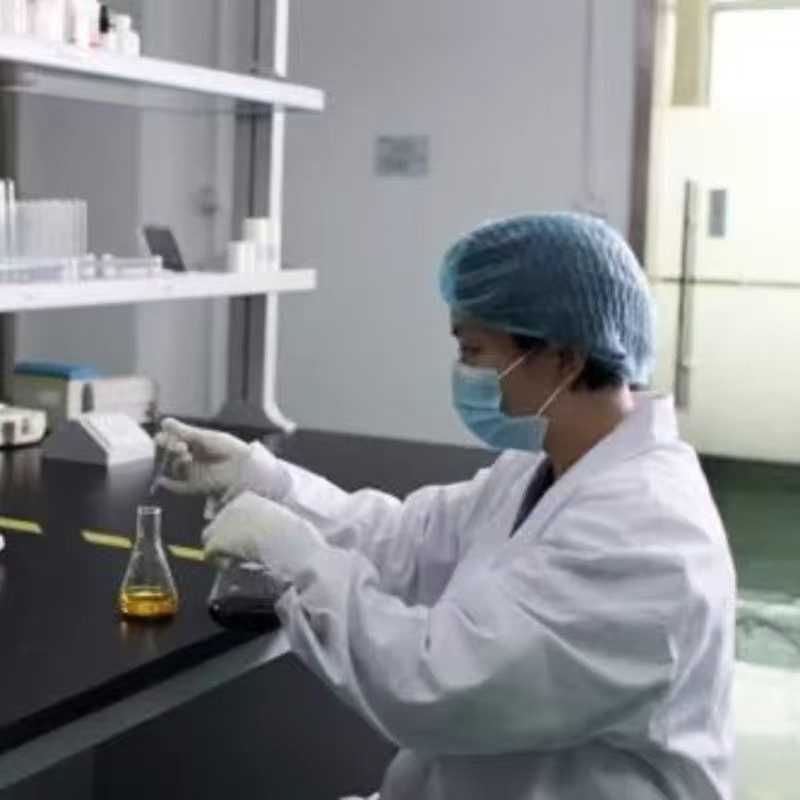
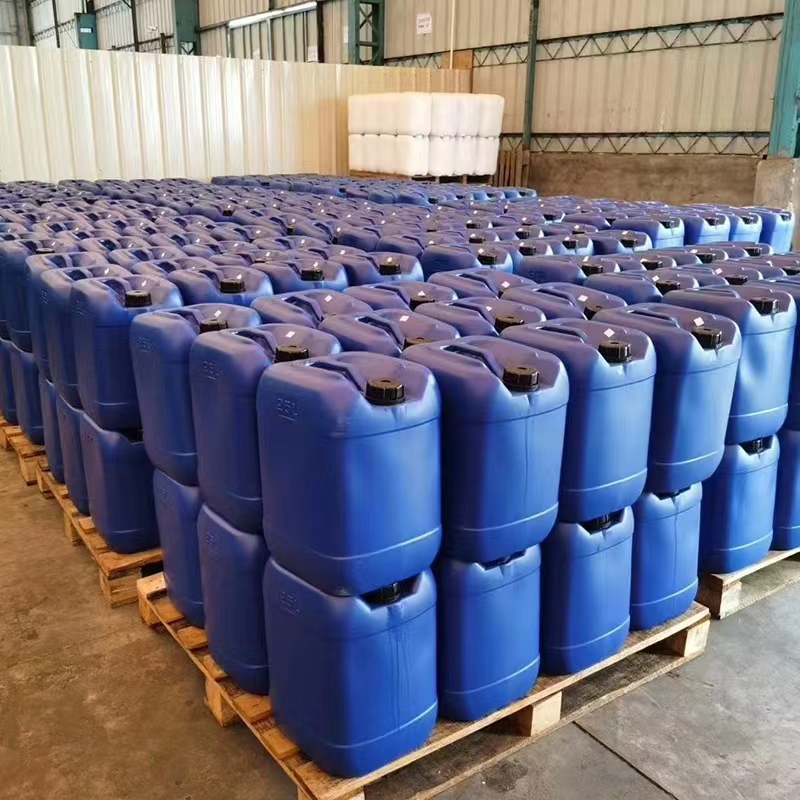
Product Overview
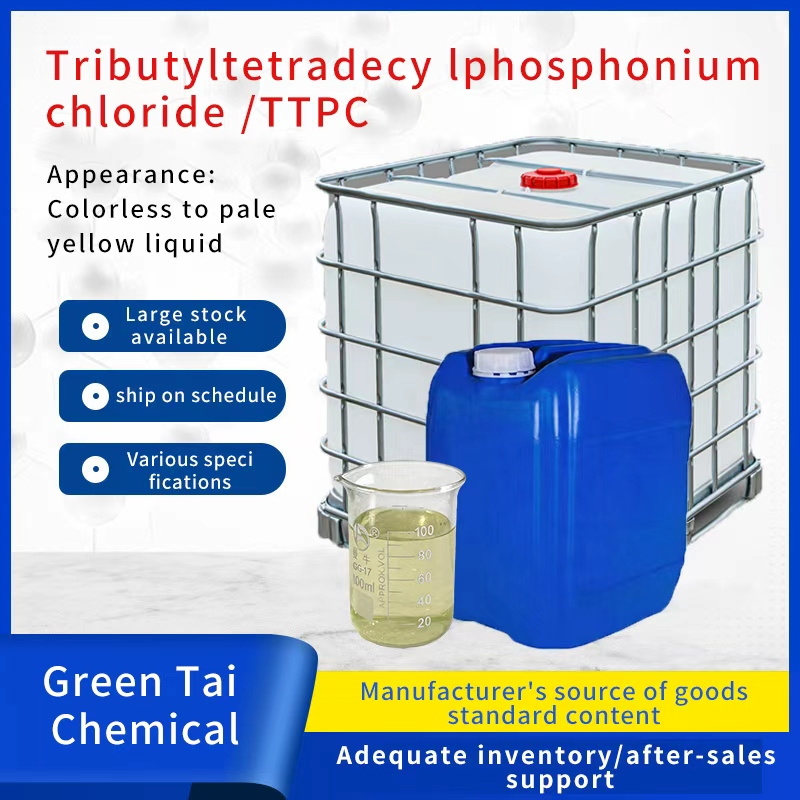
50% TTPC (Tributyl Tetradecyl Phosphonium Chloride) is a clear, low-foaming liquid designed for effective biofouling control in industrial water systems. As a quaternary phosphonium compound, it offers superior antimicrobial activity compared to traditional quaternary ammonium salts, with a unique mode of action that disrupts microbial cell membranes. With broad-spectrum antimicrobial activity, it targets bacteria (Gram-positive and Gram-negative), algae, fungi, and biofilms, ensuring corrosion prevention and system efficiency. Its excellent compatibility with other water treatment chemicals (scale inhibitors, corrosion inhibitors) makes it a cost-effective solution for cooling towers, oilfields, and wastewater systems, reducing maintenance costs by 20–30% through extended run times.
Product Specifications
Advantages
Superior Biofilm Removal:
Destroys established biofilms 4x faster than traditional biocides like isothiazolinone by penetrating extracellular polymeric substances (EPS) and killing embedded microbes.
Reduces sludge accumulation by 50–70% and lowers heat transfer resistance by 15–20% in cooling systems, improving energy efficiency.
Maintains efficacy at low concentrations (50–200 ppm), minimizing chemical usage and operational costs.
Stability & Compatibility:
Unaffected by pH variations (2–12) and UV light, ensuring consistent performance in diverse water conditions.
Works synergistically with scale inhibitors (e.g., phosphonates, polyacrylates) and corrosion inhibitors (e.g., chromates, molybdates), enhancing overall system protection.
Resistant to biodegradation by microbes, providing long-lasting residual activity (up to 7 days in recirculating systems).
Environmental Profile:
Low toxicity to aquatic life at recommended doses (LC50 >1 mg/L for fish, >10 mg/L for algae).
Biodegradable under aerobic conditions (80% degradation in 28 days per OECD 301D) and non-persistent in wastewater, meeting discharge regulations.
No formation of harmful byproducts (e.g., trihalomethanes) during water treatment processes.
Scope of Application
Industrial Cooling Systems
Cooling Towers: Prevents microbial-induced corrosion (MIC) by reducing sessile bacteria counts to <10³ CFU/mL and eliminates clogging from algal blooms and slime deposits.
Process Waters: Maintains heat exchanger efficiency in power plants and refineries by keeping heat transfer surfaces clean, reducing energy consumption by 5–10%.
Oil & Gas Industry
Water Injection Systems: Controls sulfate-reducing bacteria (SRB) in offshore platforms, reducing H₂S production by 90% and preventing reservoir souring.
Drilling Fluids: Inhibits slime formation during hydraulic fracturing, maintaining fluid viscosity and reducing equipment downtime for cleaning.
Municipal & Industrial Wastewater
Activated Sludge Processes: Enhances biological treatment efficiency by reducing filamentous bacteria (e.g., Microthrix parvicella) that cause bulking sludge, improving settling rates by 30%.
Recirculating Aquaculture Systems (RAS): Controls pathogens (e.g., Aeromonas, Vibrio) without harming fish, maintaining survival rates above 95% in intensive culture systems.
Paper & Pulp Mills
Whitewater Systems: Prevents slime deposits on paper machines (rollers, wires), reducing sheet breaks by 40% and improving paper quality (fewer holes, better uniformity).
Effluent Treatment: Reduces odors from hydrogen sulfide and ammonia and controls pathogens in wastewater discharge, meeting regulatory limits for coliform bacteria.