Product Overview
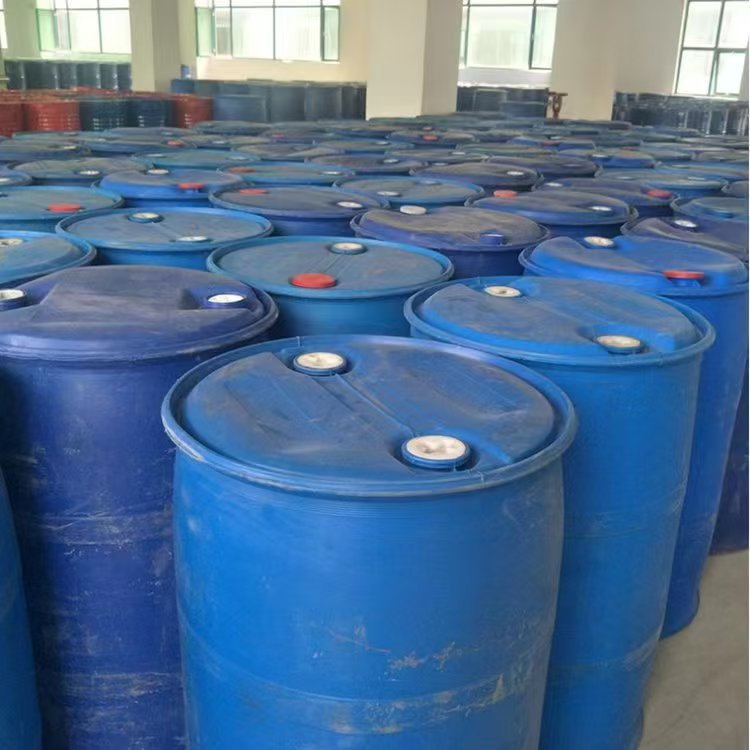
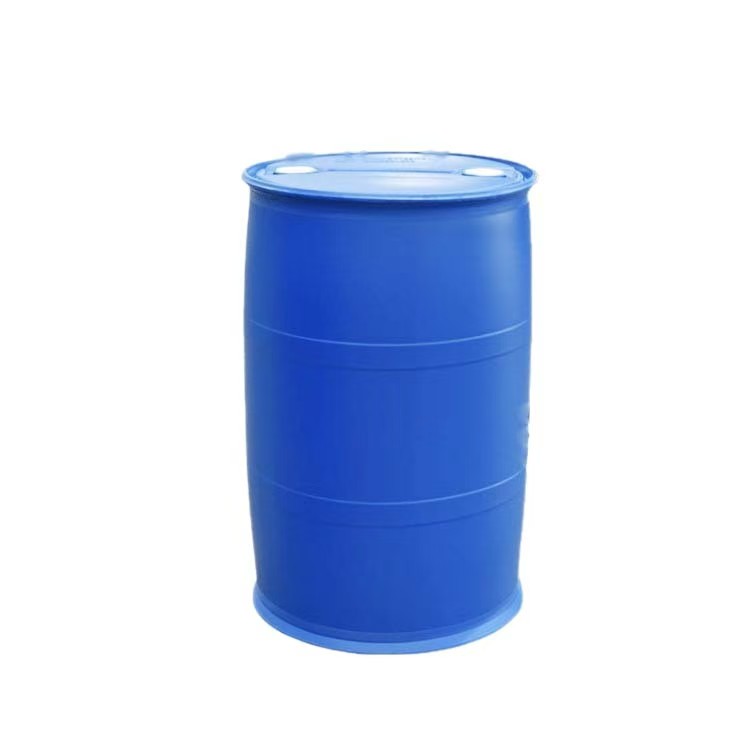
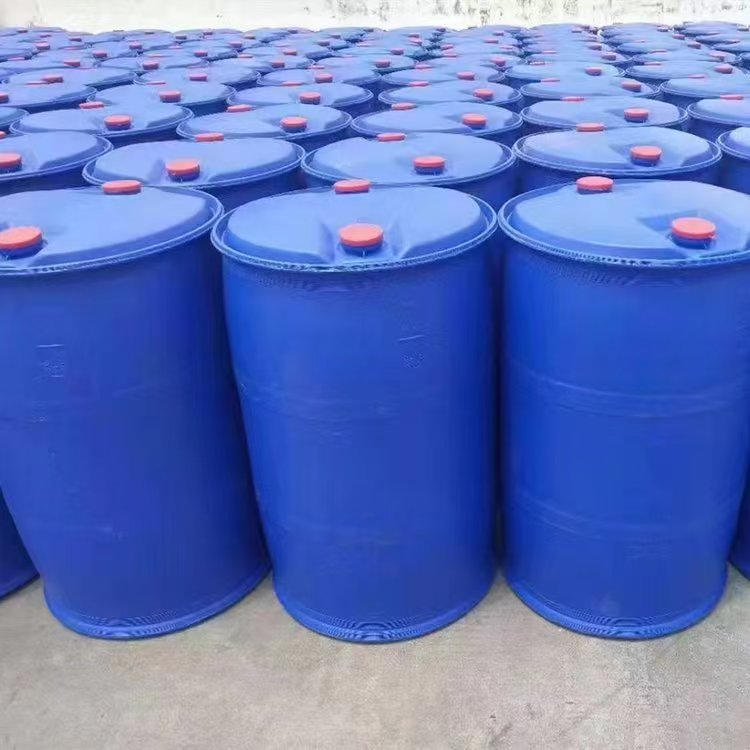
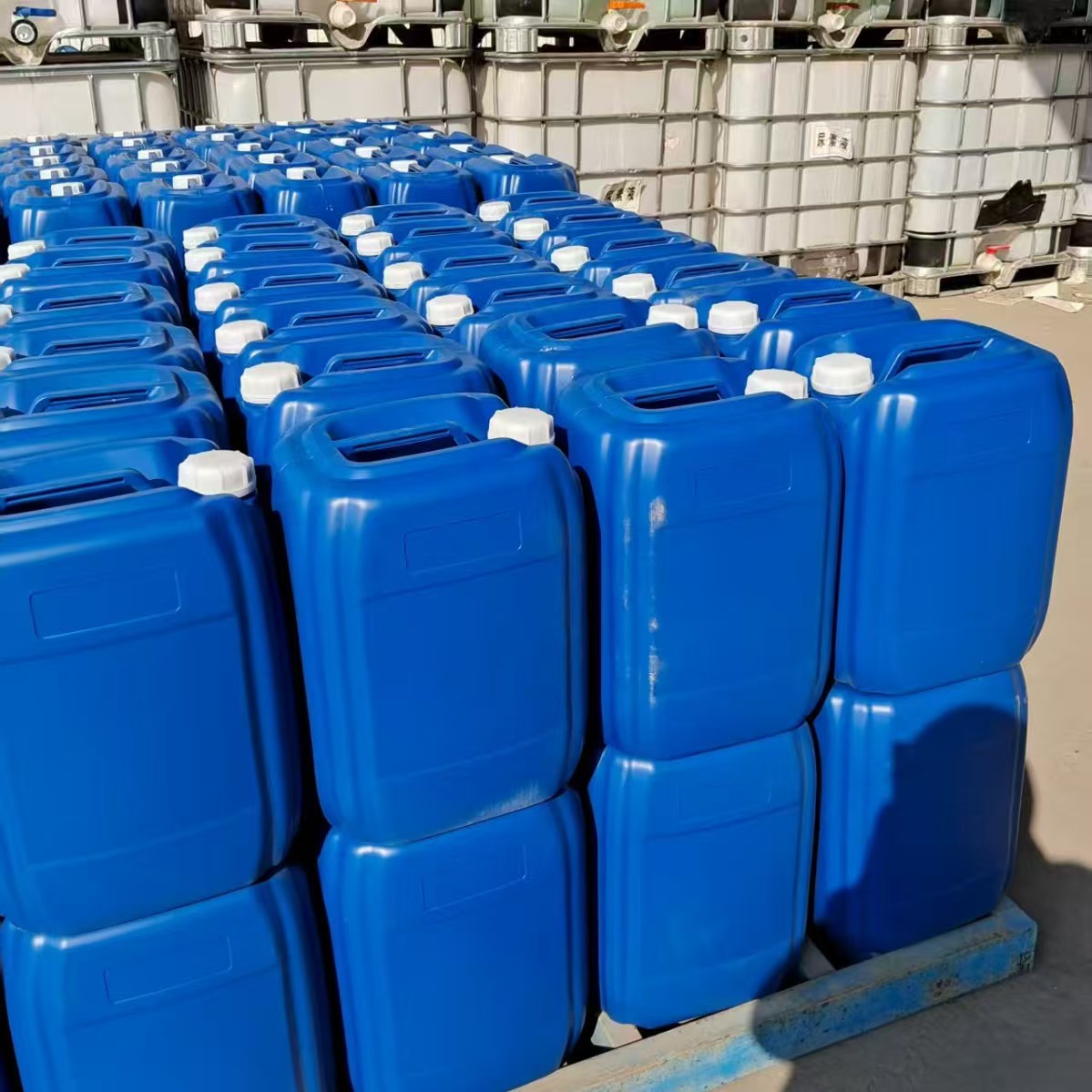
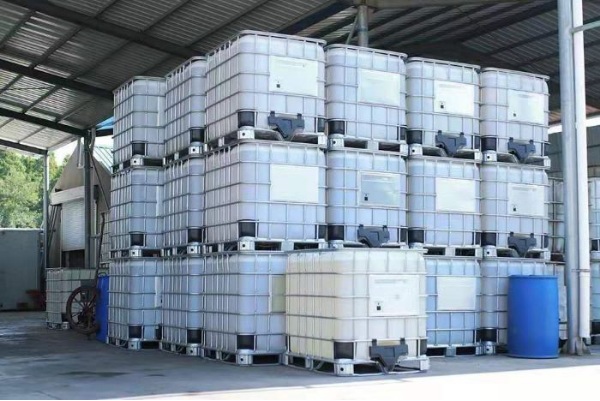
50% Glutaraldehyde Solution is a potent broad-spectrum biocide with excellent microbial control in oilfield water systems, operating through alkylation of microbial proteins and nucleic acids. This clear, slightly yellow liquid targets sulfate-reducing bacteria (SRB), iron-oxidizing bacteria (IOB), and fungi with log 6 reductions at 50–100 ppm, preventing biofilm formation and microbially-induced corrosion (MIC). Its high solubility (miscible with water) and fast-acting properties (99% kill in <2 hours) make it a preferred choice for injection water treatment and drilling fluids. Supplied in 230 kg iron drums with epoxy linings, it offers stable storage and easy handling for industrial applications. Unlike formaldehyde-based biocides, it provides longer residual activity without producing toxic off-gases.
Product Specifications
Features
Microbial Control:
SRB Inhibition: Reduces H₂S production by 90% at 50–100 ppm in oilfield brines, lowering corrosion rates from 0.5 to <0.05 mm/year.
Biofilm Destruction: Penetrates EPS matrix to kill embedded microbes in pipelines by 95%, reducing pressure drops by 25% after treatment.
Residual Activity: Provides 7-day protection against recontamination in recirculating systems, maintaining <10² CFU/mL bacteria count.
Broad Spectrum: Effective against aerobic bacteria (Pseudomonas), anaerobic bacteria (Desulfovibrio), and fungi (Cladosporium) at similar concentrations.
Process Compatibility:
High-Temperature Stability: Effective up to 150°C in steam injection wells, with <10% degradation after 24 hours at 120°C.
pH Tolerance: Works across pH 3–12, ideal for diverse water chemistries from acidic (pH 3) oilfield brines to alkaline (pH 11) drilling muds.
No Foaming: Compatible with surfactants and scale inhibitors (phosphonates, polyacrylates) without causing foam issues in pumping systems.
Low Adsorption: Minimal binding to clays and sediments (<5% loss), ensuring effective concentration reaches target microbes.
Environmental Compliance:
Low Aquatic Toxicity: LC50 >100 mg/L for freshwater fish (Oncorhynchus mykiss), meeting EPA aquatic life criteria for industrial discharges.
Biodegradable: Degrades to CO₂ and water under aerobic conditions (70% in 28 days, OECD 302B), reducing environmental persistence.
Regulatory Approval: Complies with API RP 38 guidelines for oilfield biocides and EU REACH registration (EC 1907/2006).
Applications
Oil & Gas Industry
Water Injection Systems:
Controls SRB-induced souring in offshore platforms at 50–100 ppm, preventing reservoir damage and H₂S-related safety hazards.
Treats injection water with TDS up to 200,000 ppm, maintaining microbial counts <10³ CFU/mL.
Drilling Fluids:
Inhibits slime formation in drilling muds at 20–50 ppm, maintaining viscosity within 10% of target values during extended drilling.
Prevents biofouling of MWD tools, reducing downtime for cleaning by 40%.
Produced Water Treatment:
Disinfects recycled water for hydraulic fracturing at 30–70 ppm, reducing microbial load from 10⁶ to <10² CFU/mL.
Mitigates biofilm growth in produced water pipelines, reducing pigging frequency by 50%.
Industrial Water Systems
Cooling Towers:
Prevents biofilm-related fouling at 10–30 ppm, improving heat transfer efficiency by 15–20% in power plant cooling systems.
Controls Legionella pneumophila to <1 CFU/mL, meeting ASHRAE 188 safety standards.
Paper Mills:
Controls slime deposits in whitewater systems at 15–40 ppm, reducing sheet breaks by 35% and improving paper quality.
Agriculture
Recirculating Aquaculture:
Disinfects fish tanks at 10–20 ppm to prevent Aeromonas and Vibrio infections, increasing survival rates of tilapia and shrimp by 30%.
Treats hatchery water to <10 CFU/mL, reducing larval mortality in aquaculture operations.
Healthcare
Medical Equipment:
Used in cold sterilization of endoscopes at 2–3% concentration, achieving high-level disinfection in 20 minutes per FDA 510(k) requirements.
Disinfects dental handpieces and surgical instruments, providing sporicidal activity with 10-hour exposure.