


Trixylenyl Phosphate TXP
CAS No. : 25155-23-1
Molecular weight : 200.1295
Molecular formula : C8H9O4P
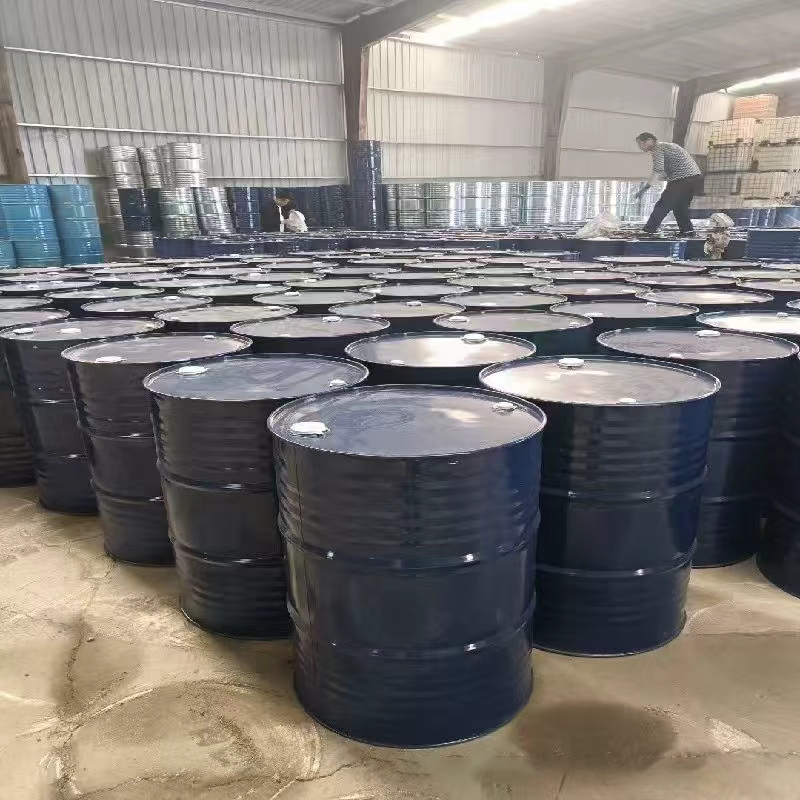
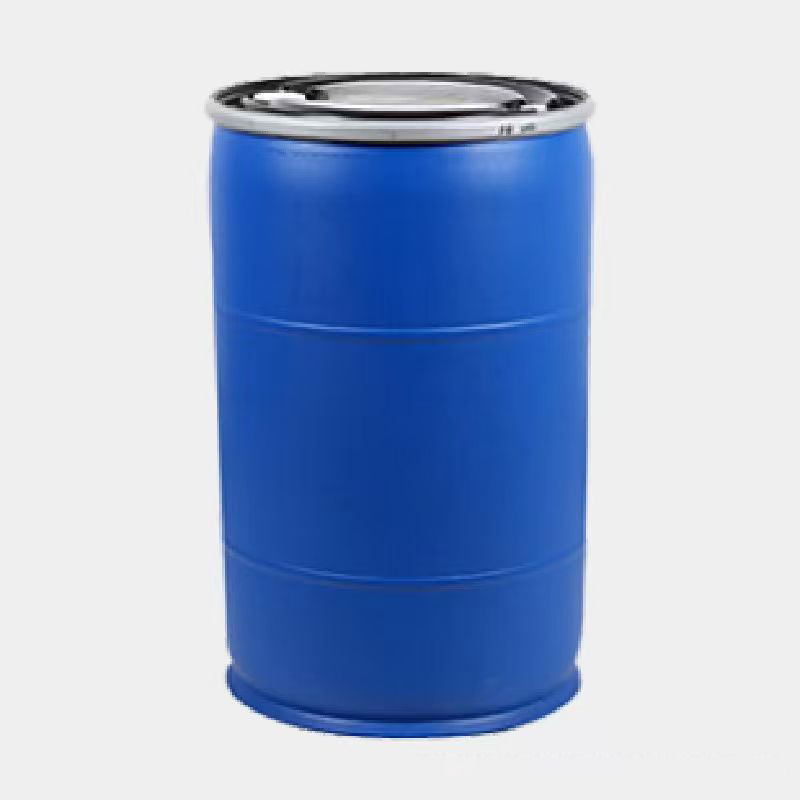
Appearance: Liquid
Chemical Properties and Physical Parameters
Molecular Weight: 410.44 g/mol
Appearance: Colorless to pale yellow, transparent, oily liquid
Density: 1.154 g/cm³ (20°C)
Boiling Point: 490.8°C (760 mmHg)
Melting Point: 46°C
Flash Point: 263.8°C
Solubility: Slightly soluble in water, freely soluble in most organic solvents (such as alcohols, ethers, and aromatic hydrocarbons).
Trixylenyl Phosphate Specification
Trixylenyl Phosphate Application
1. Flame Retardants
*Mechanism of Action: They inhibit combustion by promoting the formation of a carbonized layer on the surface of materials, isolating oxygen and heat transfer.
*Applications:
-Plastics: Used in PVC and polyolefins, improving the fire resistance of cables, pipes, and building materials.
-Textiles: Imparting flame retardancy to synthetic fibers (such as polyester and nylon), meeting safety standards for firefighter uniforms and curtains.
-Electronic Materials: Used as flame-retardant coatings on circuit boards and connectors to prevent electrical fires.
2. Plasticizers
*Mechanism of Action: Reduce material hardness through intermolecular forces, enhancing flexibility and processability.
*Applications:
-Rubber: Improves the elasticity and low-temperature resistance of vulcanized rubber.
-Coatings: Improves paint film flexibility and prevents cracking.
3. Lubricant Additives
*Mechanism of Action: Forms a protective film on metal surfaces, reducing friction and wear.
*Applications:
-Industrial Lubricants: Used in turbine oils and hydraulic fluids to extend equipment life.
-Metalworking Fluids: Reduce cutting temperatures and improve machining accuracy.