




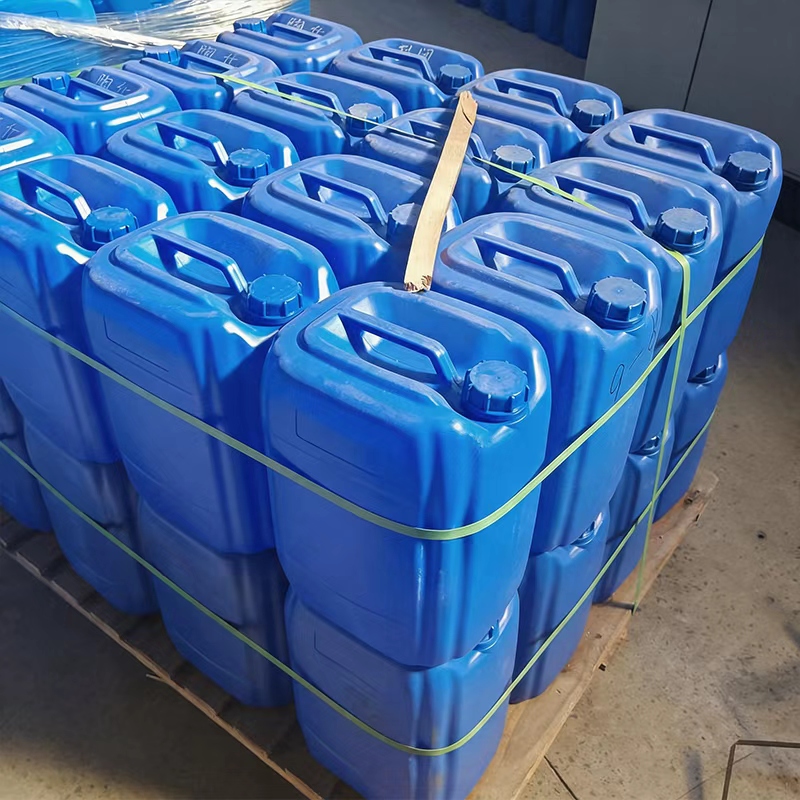
Chlorhexidine Gluconate 20% Solution CHG CAS 18472-51-0
CAS No.: 18472-51-0
Formula: C28h42cl2n10o7
EINECS: 242-354-0
Status: Liquid Catalyst
Purity: 20%
Response Type: Polymerization
Usage: Positive Catalyst
Chlorhexidine gluconate is a widely-regarded broad-spectrum antibacterial agent, and its antibacterial activity mainly stems from its destructive effect on the outer membrane structure of bacteria. When chlorhexidine gluconate contacts bacteria, it will interact with the outer membrane phospholipid bilayer to destroy the integrity of the membrane, thereby interfering with key physiological processes such as bacterial material transport and energy metabolism, and ultimately achieving an antibacterial or bactericidal effect.
TDS:
Scope of application:
Chlorhexidine gluconate, also known as chlorhexidine or Hibitane, is a widely used antimicrobial agent with broad-spectrum efficacy. Its applications are diverse and span across medical, dental, and personal care fields. Here are the key applications of chlorhexidine gluconate:
1. Skin Disinfection:
Chlorhexidine gluconate is commonly used for preoperative skin disinfection to reduce the risk of surgical site infections. It is effective against a wide range of bacteria, including both Gram-positive and Gram-negative species. Its ability to form a persistent antimicrobial film on the skin provides long-lasting protection.
2. Oral Care:
In dental practice, chlorhexidine gluconate is used as a mouthwash or oral rinse to prevent and treat gingivitis, periodontitis, and other oral infections. It helps reduce plaque formation, control bacterial growth in the mouth, and promote oral hygiene. However, long-term use may cause side effects such as tooth staining, altered taste perception, or, in rare cases, mucosal irritation.
3. Wound Care:
Chlorhexidine gluconate is applied to wounds to prevent infection and promote healing. It is effective against various pathogens that may contaminate open wounds. Its use in wound care helps maintain a sterile environment and reduces the risk of complications.
4. Hand Hygiene:
Chlorhexidine gluconate-based hand sanitizers are used in healthcare settings to improve hand hygiene compliance. They are particularly effective in reducing transient microbial flora on the hands, which is crucial for preventing healthcare-associated infections.
5. Umbilical Cord Care:
In neonatal care, chlorhexidine gluconate is applied to the umbilical cord stump to prevent infection. This practice has been shown to reduce neonatal mortality rates, particularly in settings with high rates of omphalitis.
6. Catheter Site Care:
Chlorhexidine gluconate is used to clean catheter insertion sites to prevent catheter-related bloodstream infections. Its application helps maintain the sterility of the site and reduces the risk of microbial colonization.
7. General Disinfection:
Chlorhexidine gluconate is also used as a general disinfectant for surfaces and medical equipment, although its use in this context is less common compared to other disinfectants like alcohol or quaternary ammonium compounds.
When using chlorhexidine gluconate, it is important to follow the recommended concentration and application guidelines to ensure efficacy and minimize side effects. For example, in skin disinfection, a 2-4% solution is typically used, while in oral care, a 0.12-0.2% mouthwash is common. Additionally, care should be taken to avoid contact with the eyes, ears, and brain, as chlorhexidine gluconate can be irritating or toxic to these tissues.