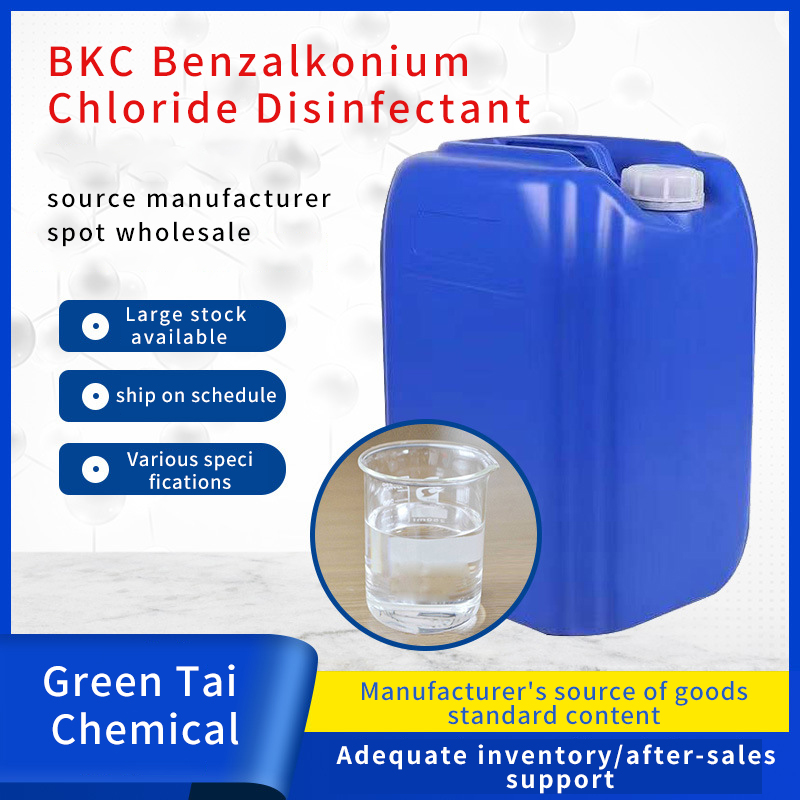



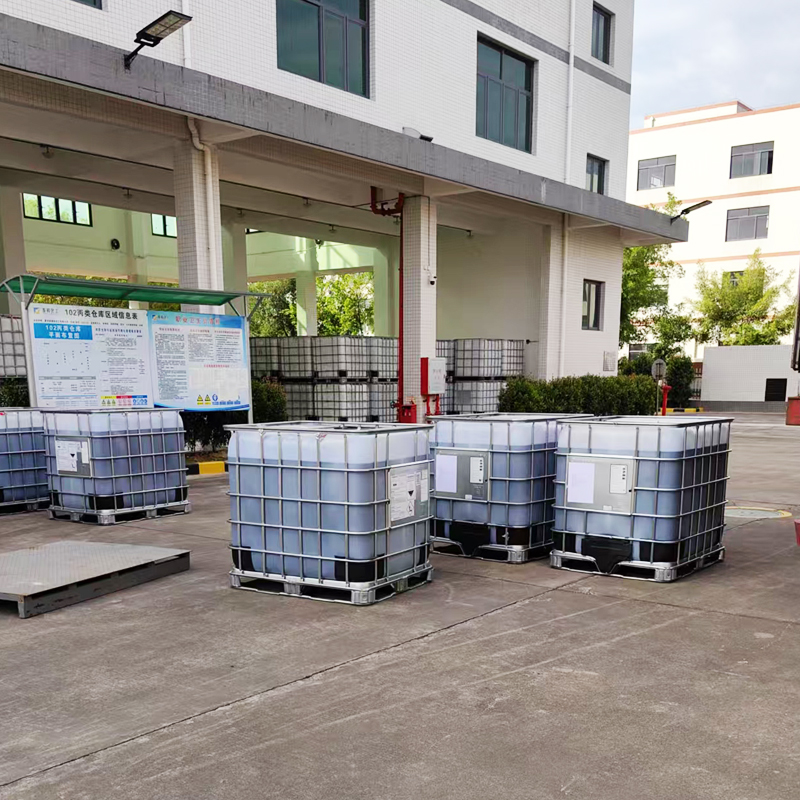
In terms of appearance, it presents as a pale yellow liquid. The pH range of its solution typically falls between 6 and 9. BKC shows good solubility, being miscible with water, methanol, and acetone. These properties make it adaptable to various processing and application environments.
Benefits
One of the key advantages of BKC is its broad-spectrum bactericidal and algicidal capabilities. It effectively controls the growth and reproduction of bacteria, algae, and fungi in different settings.
Additionally, it possesses decent sludge stripping properties, along with certain dispersion and penetration abilities. This allows it to penetrate and remove sludge and algae efficiently.
BKC is also known for its low toxicity and lack of toxicity accumulation, which is a favorable trait for many applications. It dissolves well in water, making it convenient to use, and its effectiveness is not easily affected by water hardness, adding to its practicality.
Applications
Medical Field
In the medical sector, BKC serves as a topical disinfectant and antiseptic. It is commonly used for disinfecting skin and surgical instruments. Moreover, it functions as a preservative in ophthalmic preparations, with typical usage concentrations ranging from 0.01% to 0.02%.
Industrial Sector
Within industrial applications, BKC finds use in circulating cooling water systems of petroleum, chemical, power, and textile industries, helping to control bacterial and algal growth. In the woven and dyeing fields, it acts as an anti-mildew agent, antistatic agent, emulsifying agent, and amendment agent. It also serves as a levelling agent for acrylic fibre dyed with cationic dyestuffs, and can be used for stripping and redyeing when dyeing results in uneven colors or excessive depth.
Other Areas
BKC is applied in livestock barns, grain warehouses, silkworm chambers, and breeding places for cash crops like mushrooms and white fungus. A 2-5% BKC solution is often used for spray disinfection of these places and related equipment. It is also an active ingredient in personal care products such as hand sanitizers, shampoos, deodorants, and wet wipes.