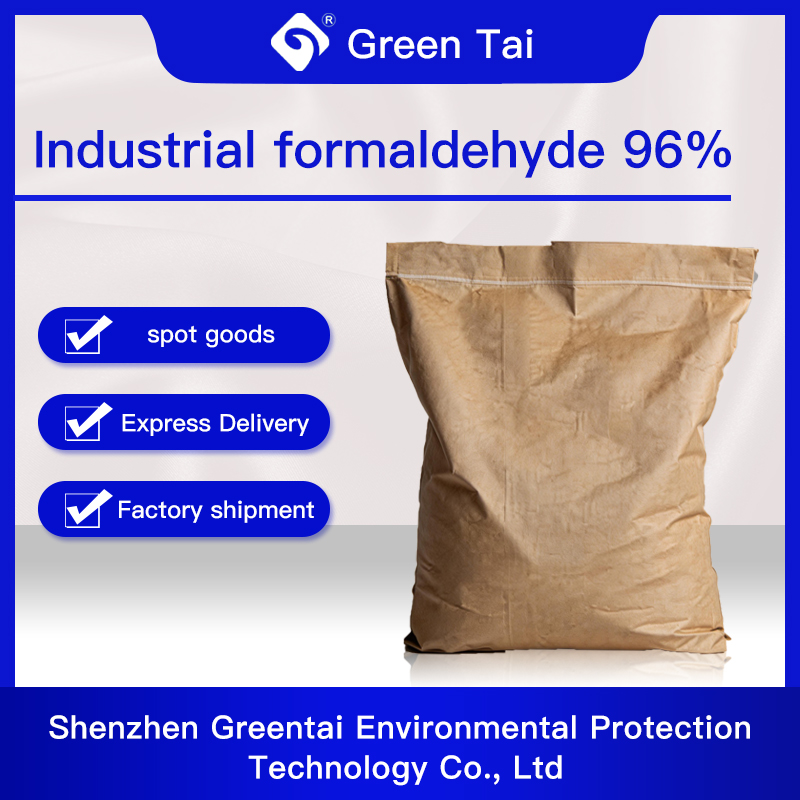
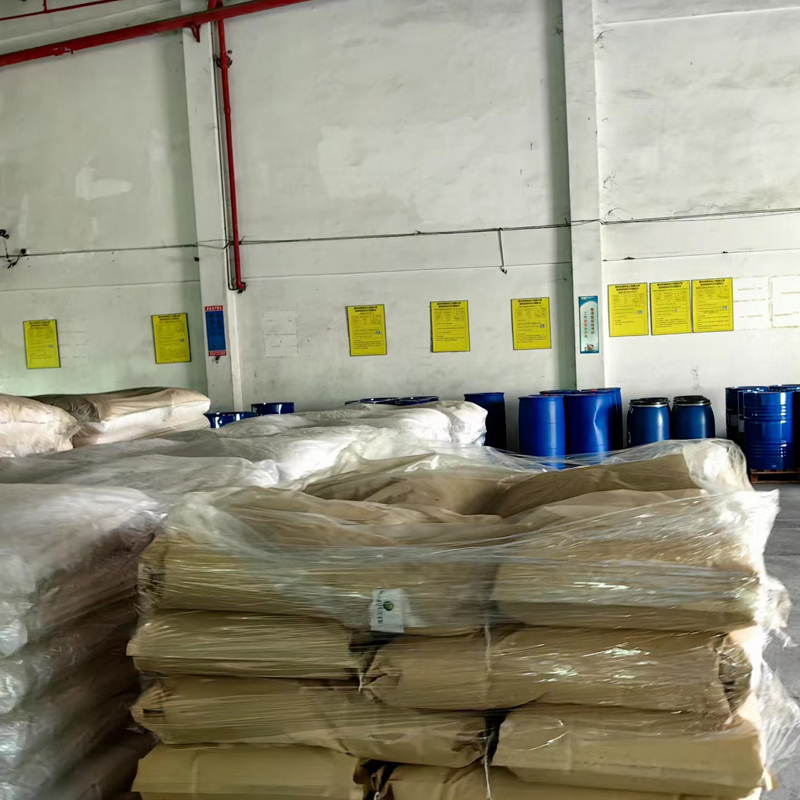
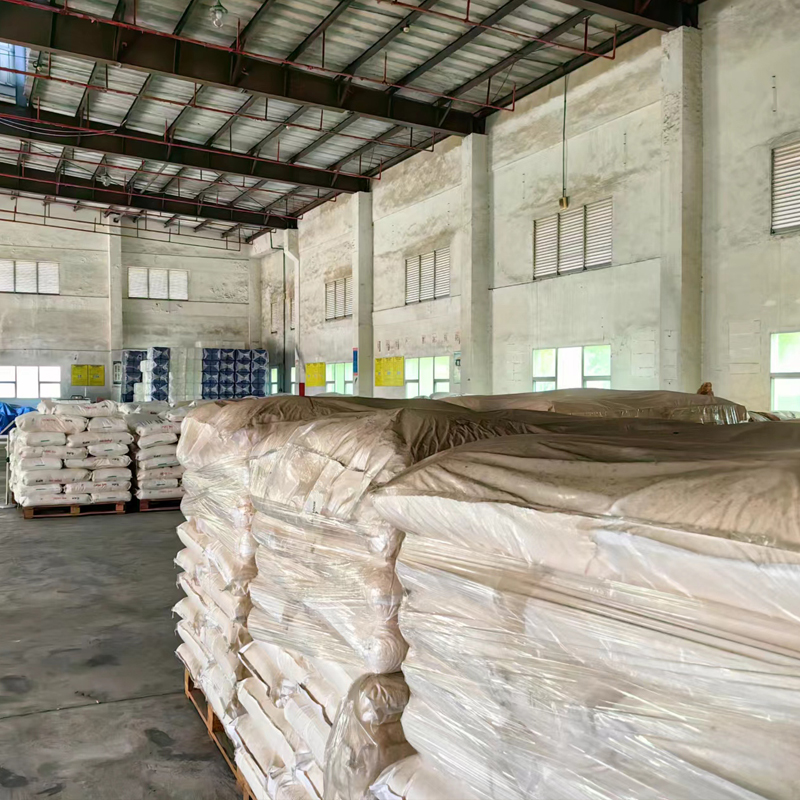
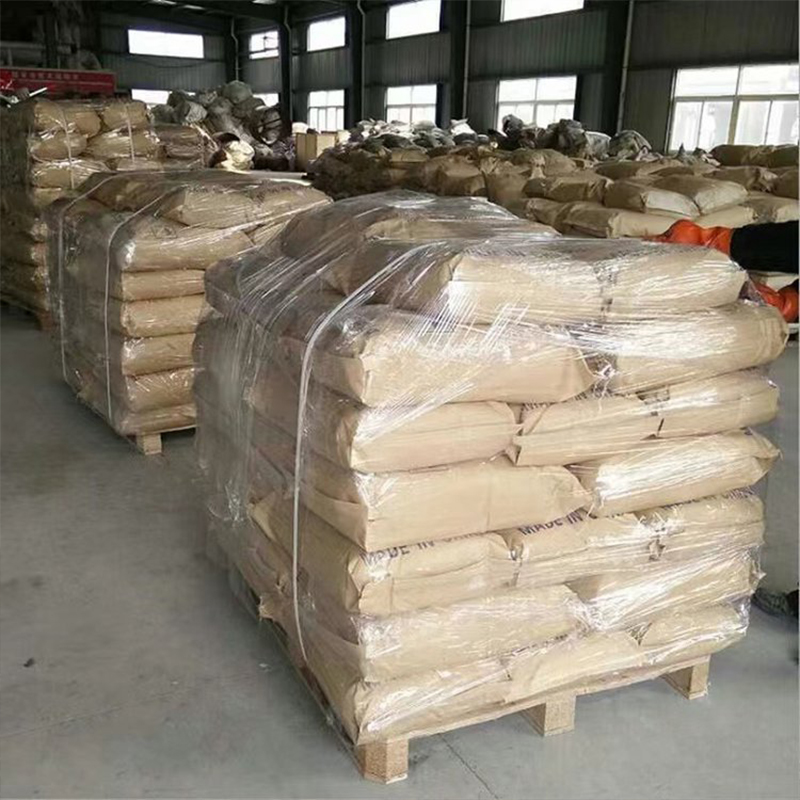
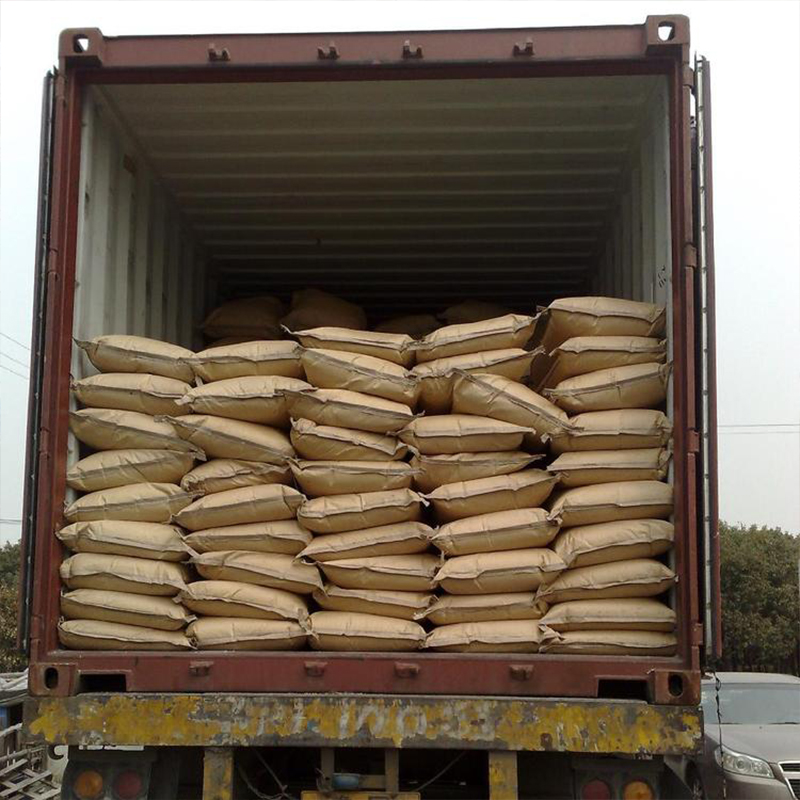
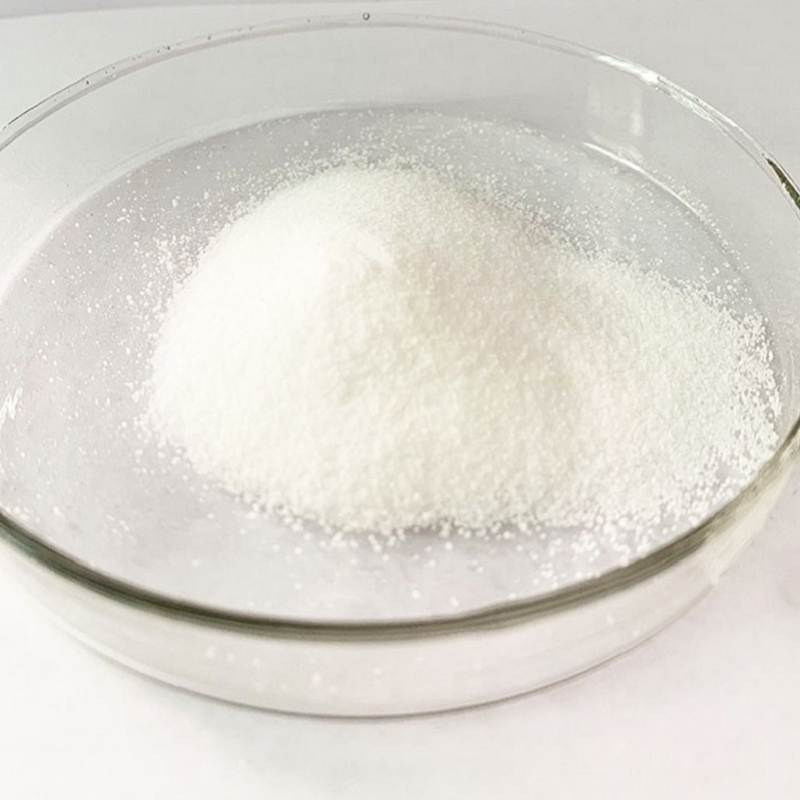
Paraformaldehyde 96% Powder
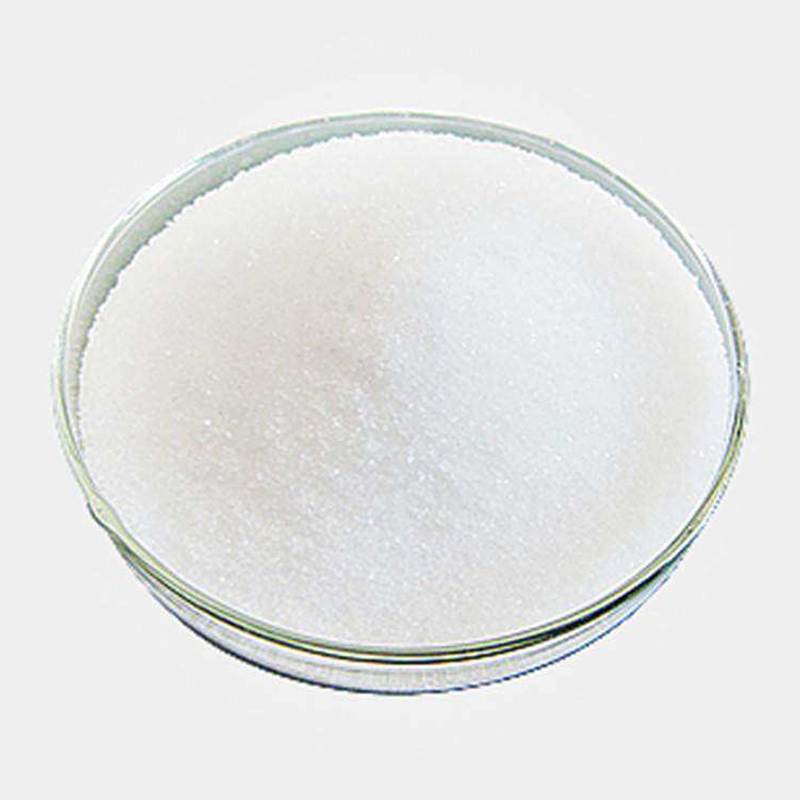
Paraformaldehyde (CAS number 30525-89-4) is a solid polymer of formaldehyde. Its chemical formula is typically (CH₂O)n (where n is between 6 and 100). It is a white amorphous solid at room temperature with a formaldehyde odor. The following is a detailed description:
Physical Properties
Appearance: White crystalline powder or granular solid.
Density: Approximately 0.88-1.45 g/cm³ (values vary depending on conditions).
Melting Point: 120-170°C (depending on the degree of polymerization).
Solubility:
-Slightly soluble in cold water, dissolves rapidly in hot water.
-Insoluble in organic solvents such as ethanol and ether.
-Readily soluble in dilute acid and alkali solutions.
Stability: Stable at room temperature, but decomposes upon heating or exposure to strong acids or alkalis, releasing formaldehyde gas.
Chemical Properties
*Depolymerization: Paraformaldehyde depolymerizes to monomeric formaldehyde under heating or alkaline conditions, making it a convenient form of formaldehyde for storage and transportation.
*Reactivity: As a source of formaldehyde, paraformaldehyde can participate in a variety of organic synthesis reactions, such as the preparation of resins, adhesives, and paper reinforcements.
Paraformaldehyde Specification:
Paraformaldehyde Application:
1. Organic Synthesis Raw Materials:
*Used in the synthesis of urea-formaldehyde resins, phenol-formaldehyde resins, polyacetal resins, melamine resins, ion exchange resins, etc.
*Used in the preparation of various adhesives, widely used in the wood processing, papermaking, coatings, and other industries.
2. Pesticide Synthesis:
*Used in the synthesis of herbicides such as acetochlor, butachlor, and glyphosate.
3. Pharmaceutical and Disinfection:
*Used as a fumigant and disinfectant for medical use, such as disinfecting hospital rooms, clothing, and bedding.
*In the biomedical field, paraformaldehyde fixatives (such as 4% paraformaldehyde solution) are widely used for biological tissue fixation and immunoassays.
4. Papermaking:
*Used as a synthetic paper strengthening agent to improve paper strength and water resistance.
5. Foundry:
*Used as a foundry release agent and foundry adhesive.
6. Aquaculture:
*Used as a fumigant disinfectant for disinfecting aquaculture facilities.